- READ TIME: 5 min.
The art of reinvention: how to survive as an artist, with John Newman
[Paper][ Executive summary ]
Reinvention is a word the creative industries use constantly and rarely examine honestly.
What does it cost? Is it driven by creative hunger or the cold logic of survival? And how do you tell a meaningful evolution from a desperate pivot? At SXSW London 2026, Paradise sat down with singer, songwriter, producer and DJ John Newman to find out.
Across thirty minutes on stage, John spoke openly about growing up in North Yorkshire, a brain tumour at 21, losing his father, becoming a parent, and walking away from music at its peak. This paper turns that conversation into six principles for artists, brands and creative leaders facing the same question: change, or stay exactly where you are.
About John Newman
John broke through with Love Me Again in 2013 and his feature on Rudimental’s Feel the Love, and has since worked with Calvin Harris, David Guetta, Kygo and Galantis. Blame and Love Me Again have each passed a billion Spotify streams.
The biography only tells part of the story. That he walked away at the top, and came back on different terms, is what makes his view of reinvention worth hearing.
- Age 16 Loses two close friends in a car accident
- Age 21 Diagnosed with a brain tumour
- 2013 Love Me Again becomes a global hit
- The peak Walks away from music entirely
- Now Back, on his own terms
Reinvention starts before the career does
John’s creative life didn’t start with music. It started with a welder he asked for on his eighth birthday, so he could bolt things to a wheelbarrow and race it downhill. Then a tractor starter motor on a go-kart, then car design. His grandfather was an inventor; his father one of the most creative people John has known.
I never started this wanting to be a celebrity. I just wanted to make art in any sort of way. And I think now that’s really coming to my benefit. I don’t feel any boundaries.
Music is only part of his output. He designs shoes, has advised Rolls-Royce executives on their designs, and sold a car he designed himself the day before this conversation. He could evolve because he was always a creator first and a pop star second.
The calculated walk away
At the height of it all, with the red carpets, the free champagne and the celebrity DMs, John stopped. Not gradually, not quietly. He cut music out completely and went looking for the person underneath.
“I could have kept walking down the red carpets and drinking the free champagne and then let that naturally disappear, and sat in a world of devastation, not knowing who John Newman is.”
“John loves making music. John will work for 14 hours a day in his dressing gown in a dark room and will not feel any pain from it. That excitement came back.”
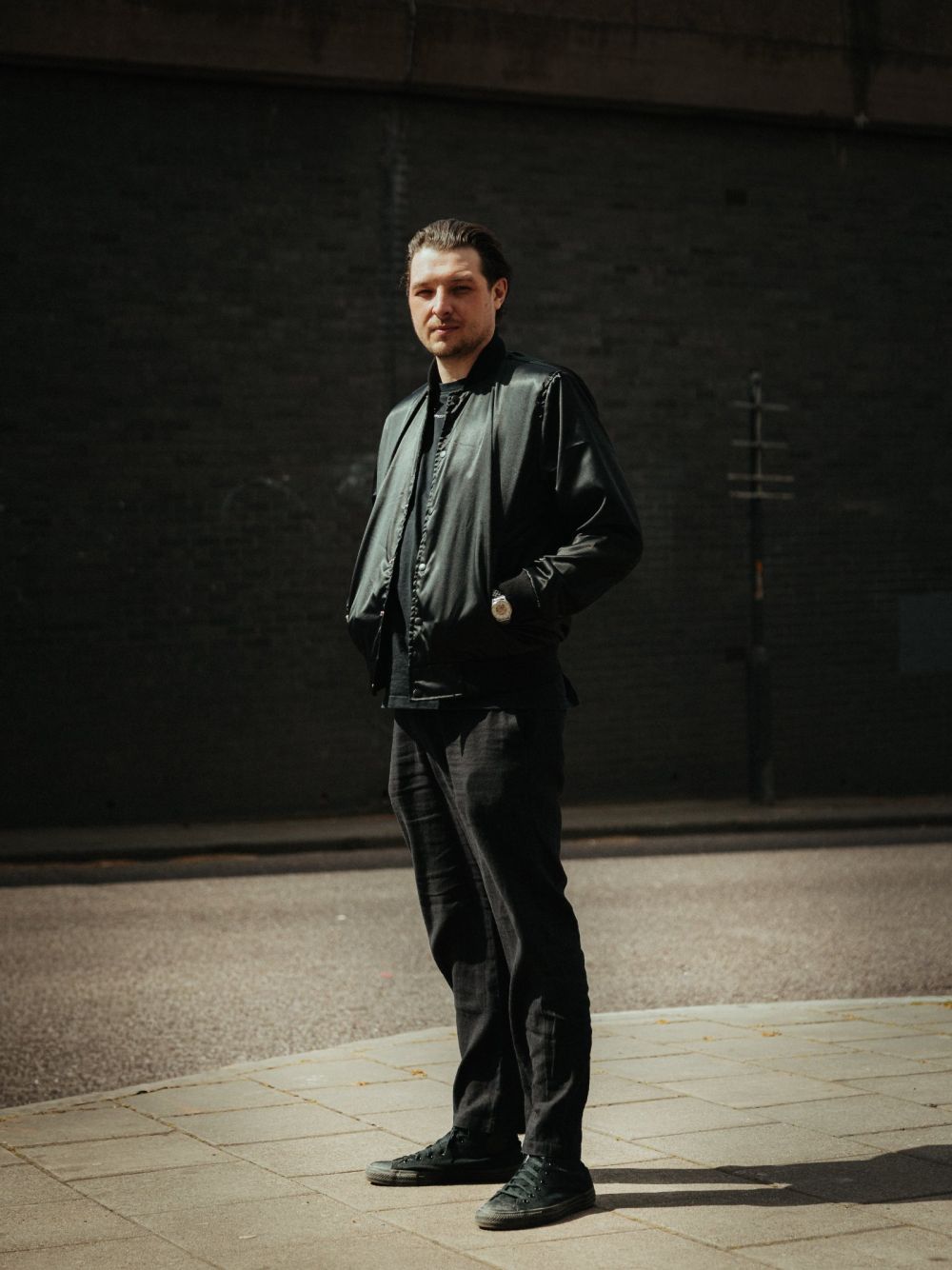
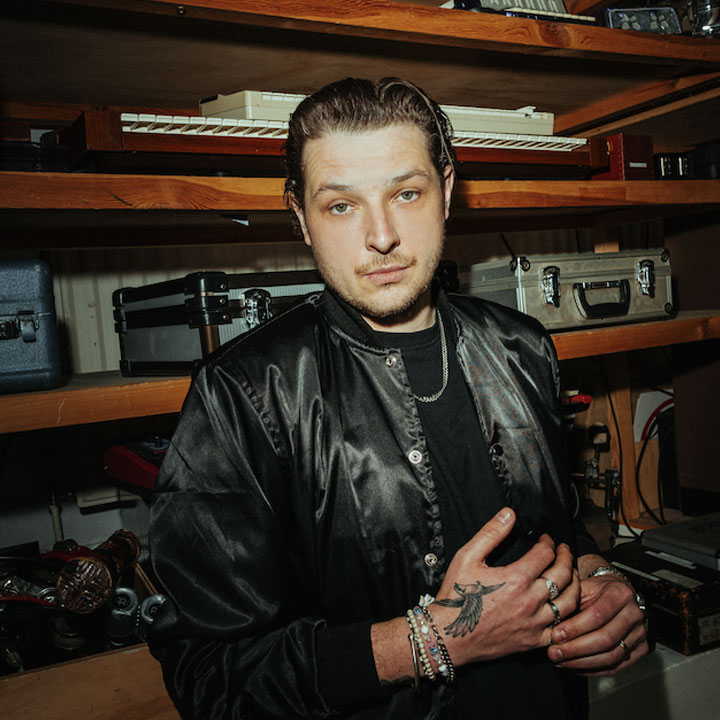
Part of the push came from his father. The robin tattoo on John’s hand is a reminder of a man whose creativity was extraordinary and whose potential went largely unrealised. It isn’t decoration. It’s a promise not to waste his own.
When stepping back is the boldest move
Marketing finds this lesson hard. The pressure to be visible and always-on is intense. John’s experience says the most important reinvention can happen in the quiet before the next thing, once you admit the current thing has stopped meaning anything.
He did not rebrand. He did not reformat. He stopped.
The comeback wasn’t a comeback in the industry sense. It was a return to the reason for doing any of it, and the audience came back because something real had changed, not because a campaign said it had.
Stability as the foundation for risk
Asked what had most changed his perspective, John didn’t name a record, a tour or a breakthrough.
It was his daughter.
Work became work and life became this beautiful thing. Bringing this little human into the world was just the most incredible thing, and it gave me a totally different perspective.
John describes his career as a place where stability is “non-existent”. Fatherhood gave him a foundation outside all of that, one no streaming number, cancelled tour or flop could take away. From there, risk became possible again: calculated risk, the kind where you can fail in public and not fall apart.
The addiction to creation
John doesn’t talk about artistic calling. He calls what drives him an addiction, and he means it.
I sleep four or five hours, and I wake up obsessed with the idea of creating and reinvention. That’s a given, unfortunately, in my life.
2am somewhere in Europe, pitch black, tension building before the fireworks. A high he says he can’t find anywhere else.
The 3am idea that arrives fully formed and has to be made right now.
A favourite celebrity follows you, a crowd bounces to your record, and losing that feels devastating.
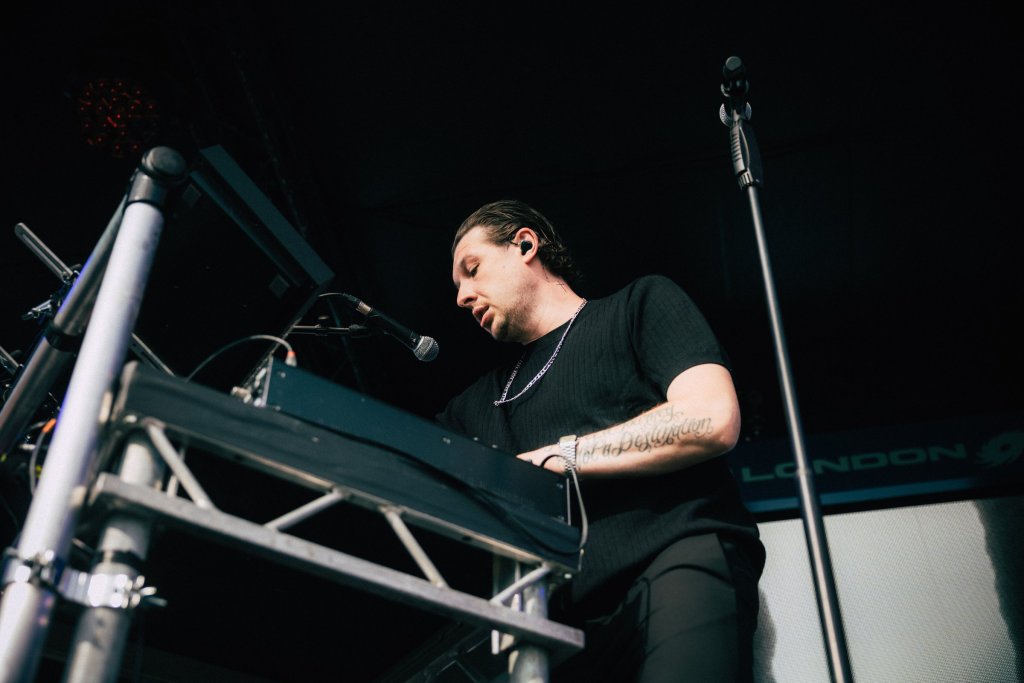
He’s clear that the addiction is both his engine and his weak spot. It powered every reinvention, made walking away so hard, and makes the return mean so much.
You don’t see time as time. You see time as creation.

The music business is still a business
For all his creative stubbornness, John is clear-eyed: he works in the music business, and the business part is real.
An album went on a Sainsbury’s shelf, and that was the distribution model.
Songs released every Friday, with an algorithm deciding what reaches people. Good records disappear because they weren’t pushed.
Things don’t always go the way that I want them to go. And it hurts. It feels like a personal betrayal.
This isn’t an artist who has risen above commercial concern. He still feels it when a release underperforms, still carries expectations in the word “hit”, and is learning to hold that pain without it derailing everything.
Brand and artist: the organic partnership
John spoke warmly about working with Paradise, 3am content sessions included. He knows what the modern music business demands. But the work only lands when it feels like his, and building a fuller public picture of him as a DJ, producer and singer is a long, deliberate project.
Refusing the cage
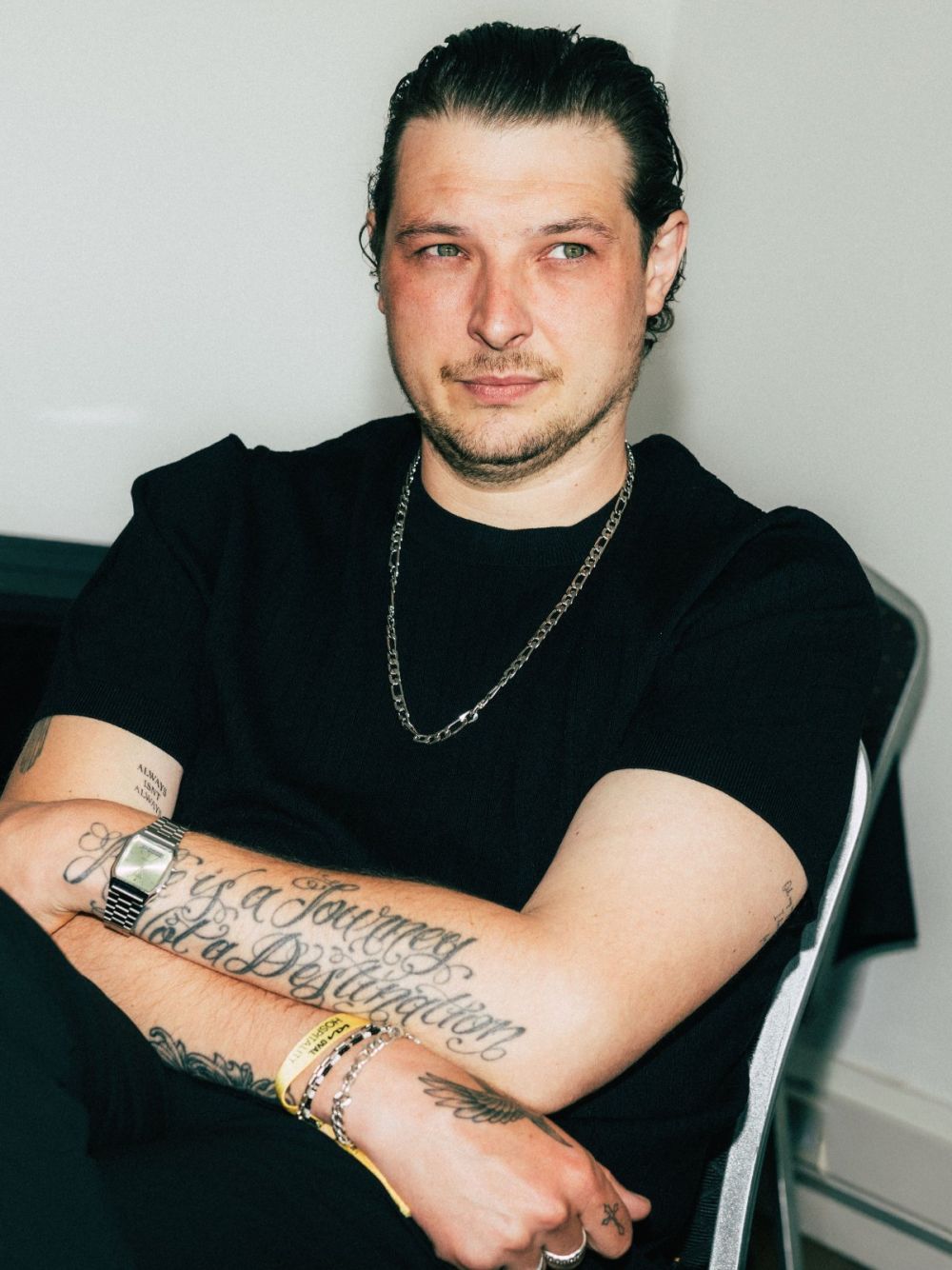
One image ran through the whole conversation: the cage. The industry wants to categorise and repeat. Audiences want the version of you they already know. The algorithm prefers consistency to surprise.
The second that you allow yourself to be caged, you’ve got real big issues.
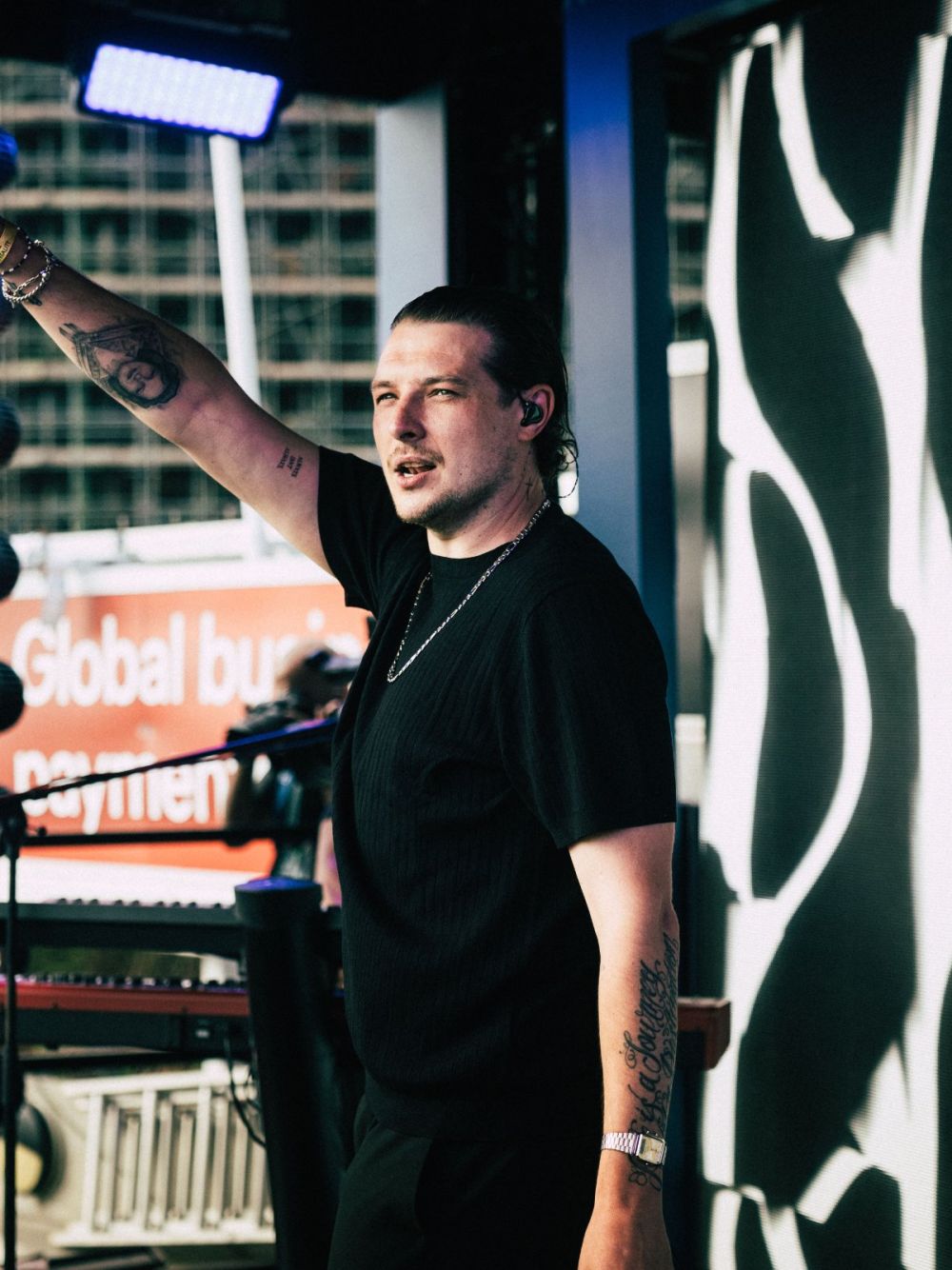
His new live show is big, electronic and built on tension and release. At a recent London gig, three people over 70 walked out during the first track. His first reaction was satisfaction, then guilt, then curiosity: was the cage he was refusing also one he was building for himself?
| Rebellion | Reinvention |
|---|---|
| Refuses the cage to be difficult | Refuses the cage because it leads somewhere that ends |
| Performs unpredictability | Follows genuine creative necessity |
| Questions everyone else | Questions its own stubbornness too |


The social media cage
The same tension plays out online. John grew up building Bebo and MySpace pages, and still resists being reduced to a content machine.
"“We’re just making websites.”"
He’s found a position he can live with: social as creative expression, not performance. When it extends his making, it works. When it asks him to be someone else, it doesn’t.
Six principles of real reinvention
John’s story translates directly to any creative person, brand or organisation navigating change.
-
Know your core before you change anything
John could reinvent because making things never changed. Brands that reinvent from a real identity land differently to those that rebrand in a panic.
-
Walking away can be the strategic move
Work made out of momentum rather than conviction convinces no one. Stopping to find the reason to start again is underrated.
-
Build stability outside the work
Charts, metrics, followers and awards are unstable. Creative risk needs a foundation they can’t touch.
-
Name the addiction honestly
Creative compulsion is a real force with real costs. Understand what drives you so you manage it, not the other way round.
-
Refuse the cage, and question yourself too
Reinvention should come from creative necessity, not a performance of unpredictability. The best show is the one that makes people stay for something unexpected.
-
The business is real
Purpose and commerce aren’t opposites, but both need honesty. The tension between them isn’t a problem to solve. It’s the engine.
John closed the session with what’s next: an album, new singles, Tomorrowland and a return to UK touring. He called himself in transition, then said that was the perfect time to make a record.
Find the opportunity inside the uncertainty.