- READ TIME: 3 min.
- CONTRIBUTORS: Michaela McIntyre, Nick Jekyll, Emma Bartholomew
- BRANDS: IMG, Arsneal FC
Marketing to maniacs: why sport is the last great frontier for brand culture
[Paper][ Executive summary ]
Sport is one of the last truly shared cultural experiences.
It is live, unscripted and deeply emotional, and fans don’t just watch it, they belong to it. That gives brands a rare environment: loyalty is irrational, attention is unforced, and the community already exists.
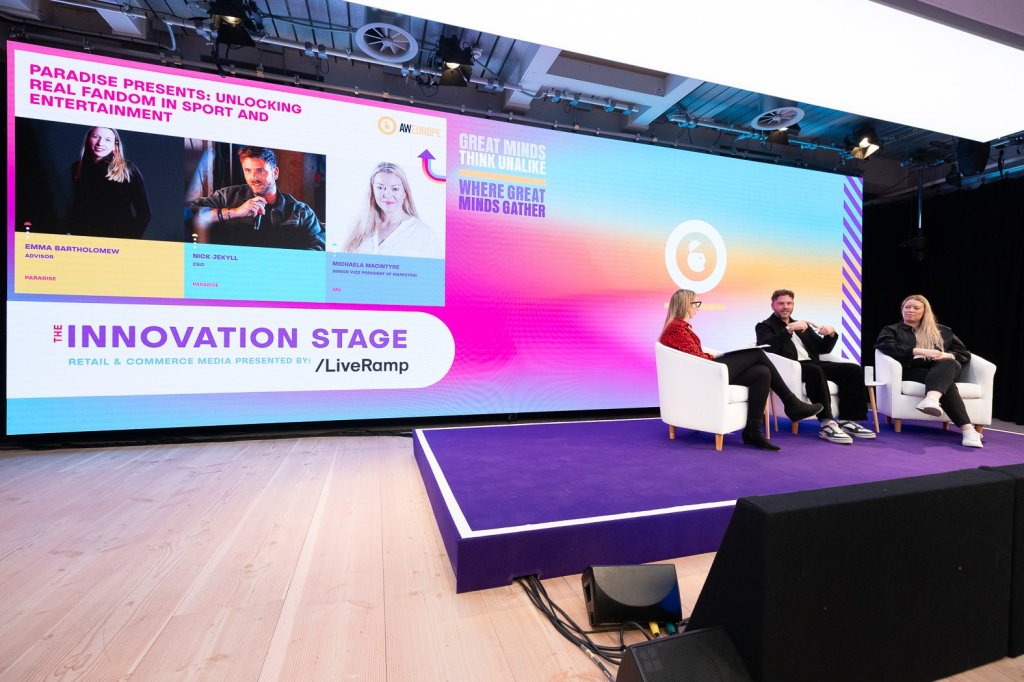
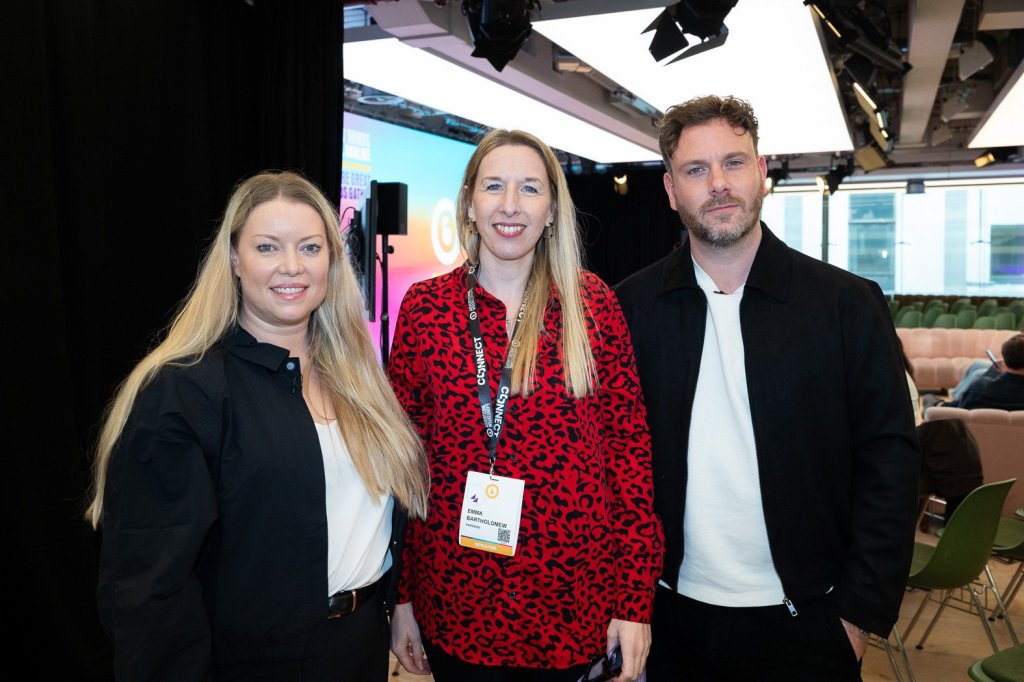
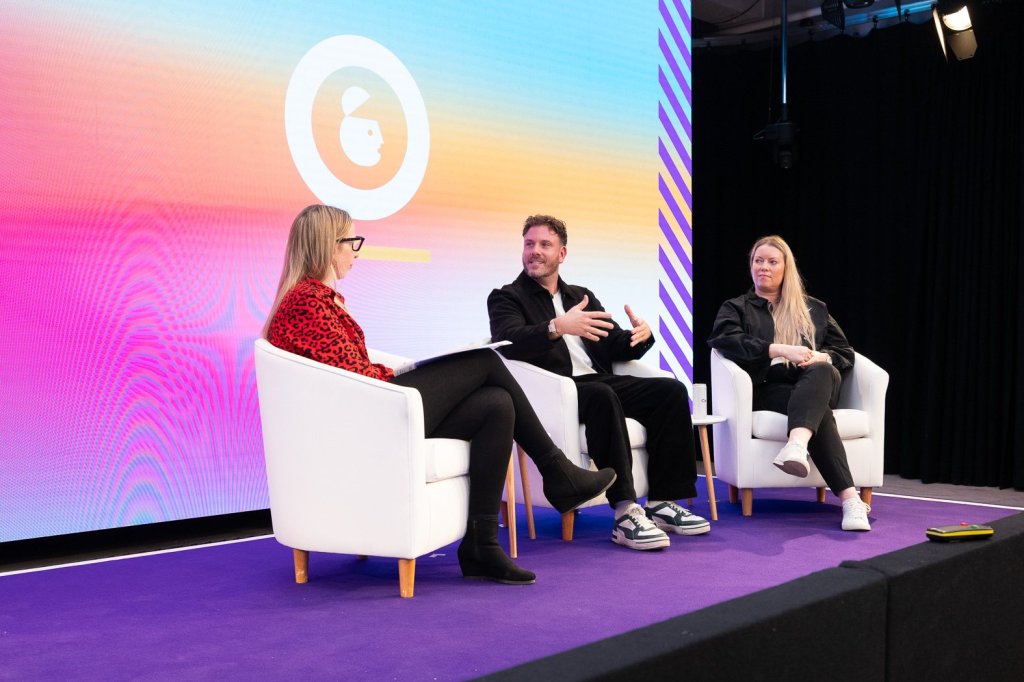
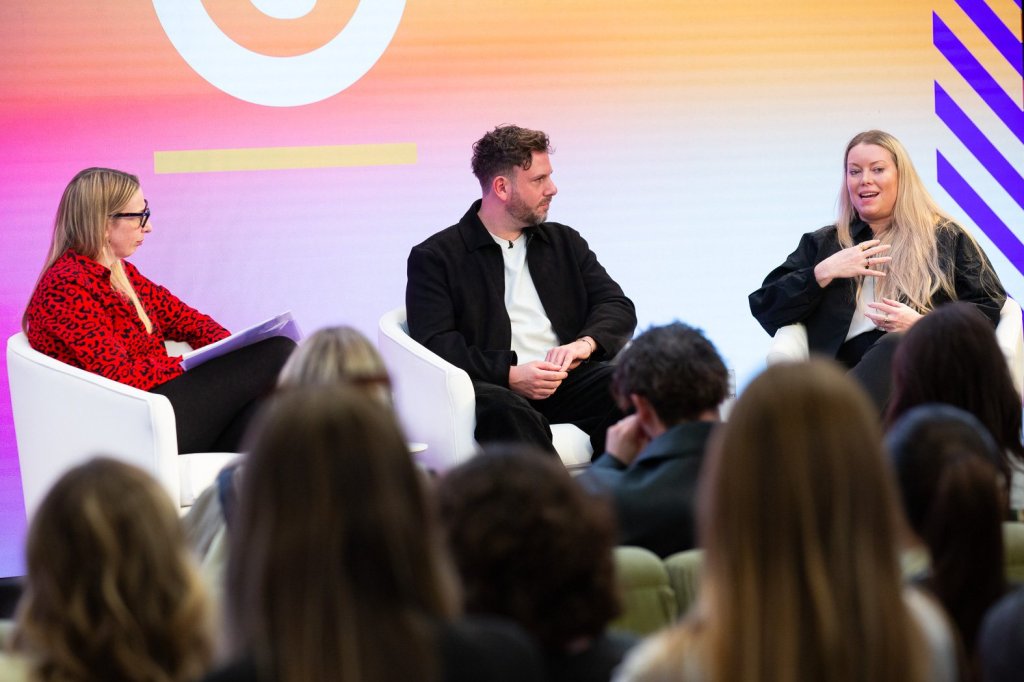
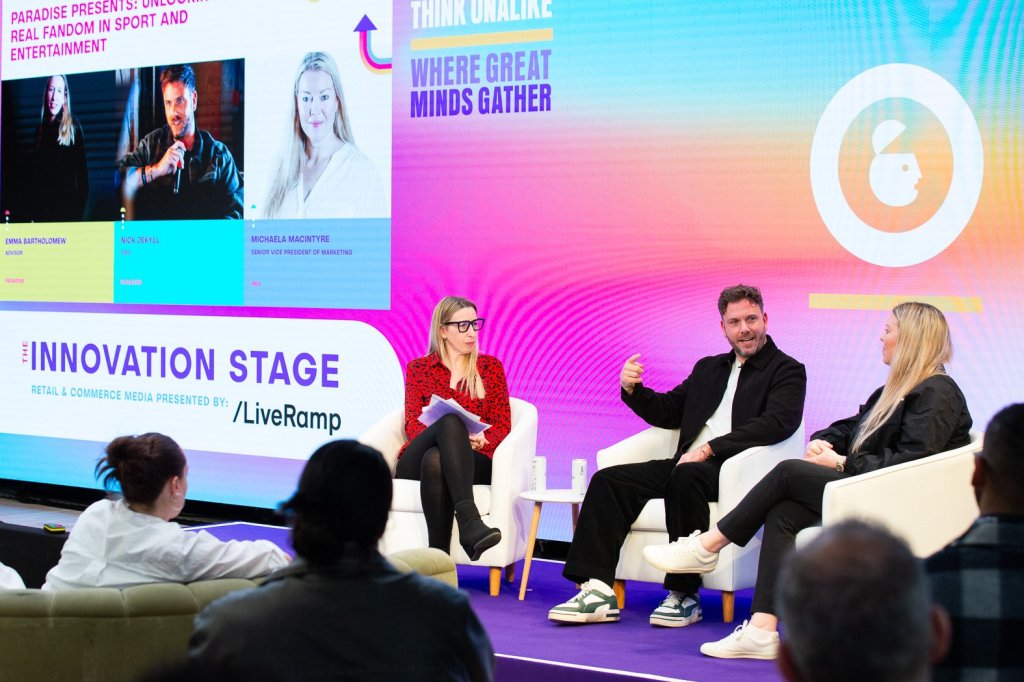
At Advertising Week 2026, Michaela McIntyre (SVP Marketing, IMG) and Nick Jekyll (Co-Founder, Paradise) joined moderator Emma Bartholomew on stage to unpack how brands earn their place in sport culture. This paper turns that conversation into a practical framework for moving from passive sponsorship to genuine cultural participation.
About the speakers
IMG is a global sports marketing agency, rights holder (World’s Strongest Man, HSBC Women’s Championship, Formula Drift) and broadcaster (Sport 24). That 360-degree view of the sports ecosystem gives Michaela a uniquely informed perspective on fandom.
Paradise builds brands through culture, experience and merch. Nick and his team help brands show up in ways people actually want to engage with, keeping the fan and the story at the centre of every brief.
What fandom really means in 2026
‘Fandom’ gets used loosely in marketing. In 2026, according to Michaela, it has moved beyond what you watch or follow. It has become part of who you are.
Sport really says something about who I am. The sport, the team, the players that I follow are part of my identity.
Four things make sport fandom different from any other kind of cultural loyalty.
Music taste shifts between generations. Three or four generations of one family can share the same team.
Fans feel like contributors, not observers. Your cheer, your ritual, your presence might just change the result.
Fans calendar it. Appointment-to-view is rare in a world of on-demand everything.
In FMCG, a rival’s promotion can switch preference overnight. In sport, a losing run makes fans more committed, not less.
Fandom is who actually cares. If they’re just an onlooker, that’s not really fandom. That’s just an ad.
Awareness. People have seen your name. Useful, but it doesn’t make anyone care.
Belonging. People feel part of something. This is where brands want to be.
Beyond the logo: earning your place in culture
The panel was clear: logo placement as a strategy is over. Logos still matter, but they are a by-product of something deeper, not the goal.
The problem with tactical briefs
Nick sees the same issue again and again on the agency side: briefs that jump straight to deliverables. Every screen placement and media wall mention is listed, but nothing about the emotional connection the brand wants to make. That produces tactical work, not cultural work.
An activation should be experienced, not just announced.
The best brands start from a different question. Not “how many times will our logo be seen?” but “how are we adding to this experience?”
The Three E framework
Michaela offered a simple test for any brand engaging with sport or culture. Before committing to a sponsorship or activation, which of the three E’s are you delivering?
Does our involvement raise the quality or prestige of the experience for fans?
Are we teaching fans something new and deepening their connection to the sport?
Are we adding genuine joy, surprise or delight?
None of the three? It’s just an ad.
Three partnerships getting it right
Partners since 2020, Hennessy went grassroots instead of courtside, working with local artists and creators to restore neglected basketball courts across North America.
Spotify uses its shirt sleeve to promote artists, not sign-ups, giving fans something culturally relevant. It also brings talent to Barcelona and builds fan experiences around match day.
An 18-year relationship with IMG, reimagined every year: a luxury jewellery client designed the winner’s necklace, and junior golf programmes grow the sport in Singapore. HSBC has renewed for five more years.
Fandom is year-round
Brands that only show up on match days or during tournaments miss most of a fan’s emotional life with their sport. Fandom runs 365 days a year.
If you disappeared tomorrow as a brand, would fans even notice? The best brands create things fans would want regardless.
Arsenal’s content universe
Both speakers pointed to Arsenal. Rather than rely on rented channels like Instagram, the club launched its own app to own the relationship with fans directly, and filled it with formats fans actually want.
| Format | What it is |
|---|---|
| The Big Match | A ‘blind date’ pairing two Arsenal fans to watch a match together, filmed and documented |
| The Saka Series | Bukayo Saka interviewing figures from sport, music, film and fashion |
| Captain documentary | An inside look at the Arsenal captain’s leadership philosophy |
Everything is released exclusively through the club’s own platform. Sponsors such as L’Oréal are built into the content, reaching fans in high-attention, high-trust moments instead of interrupting a broadcast.
Technology as a fan experience enabler
Technology is reshaping fan experience, but both speakers were clear that tech for its own sake is never the answer.
What problem are we solving?
Give fans something to do, try or win and they become participants. Let them put their stamp on merch or an experience and it becomes theirs.
Paradise’s current Warner project raises dwell time with character-led choices: choose your wand, try on a cape. Visitors buy into the world instead of watching it.
An app that simply connects people for weekly five-a-side games. Nothing whizzy, but it creates the conditions to belong, which is the core of fandom.
How brands earn the right to be here
One phrase kept coming back: earning the right. Buying a sponsorship isn’t enough. Neither is a logo on a backboard. The brands that cut through in sport culture have done the relationship work first.
Layers of truth
Nick describes a brand’s story as something that should feel more coherent and credible the closer you get to it.
- The ad Gets you in the door
- The website Deepens the story
- The activation Makes you believe it
- Every layer Confirms the brand is genuine
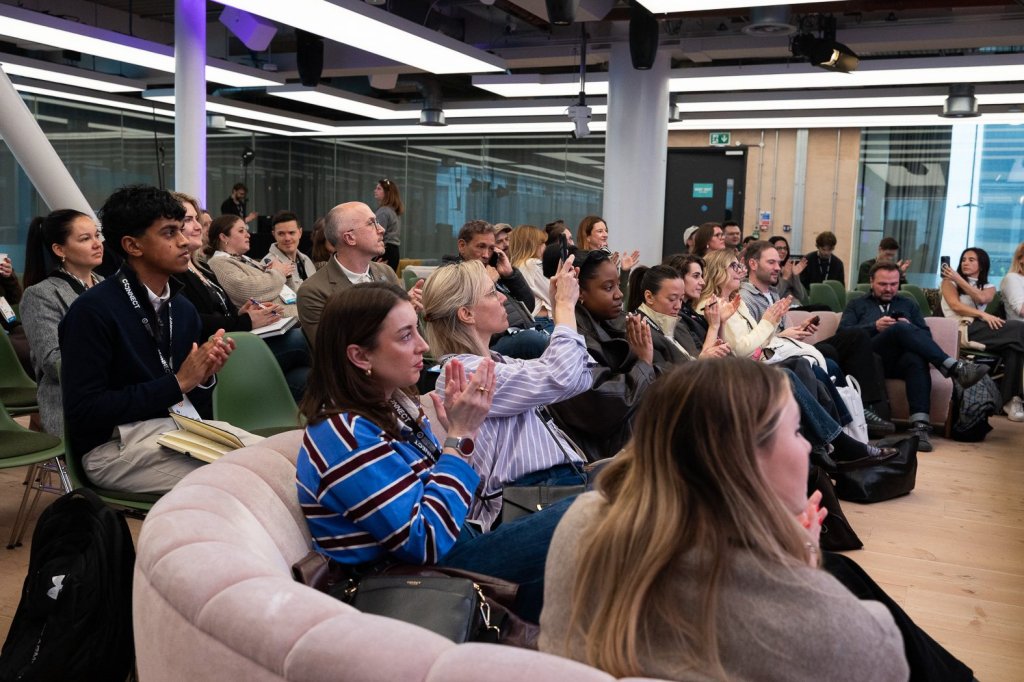
This matters most when a team is struggling. Asked by a Spurs fan in the audience how sponsors should respond to a bad run, Michaela was direct.
If you’ve already built community, if you’ve already created content that reflects what it feels like to be a fan, then you’ve earned the right to show up when things are hard.
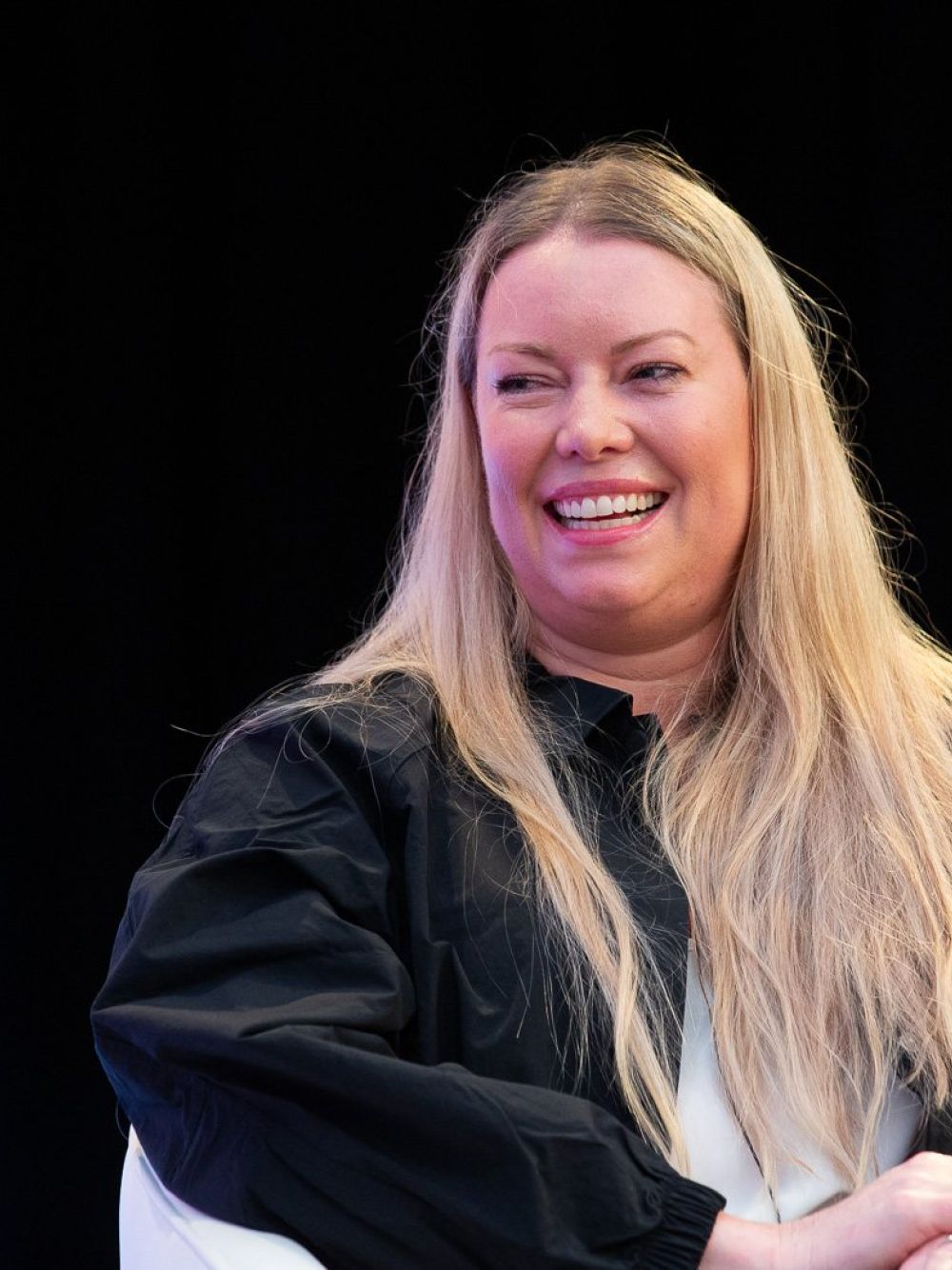
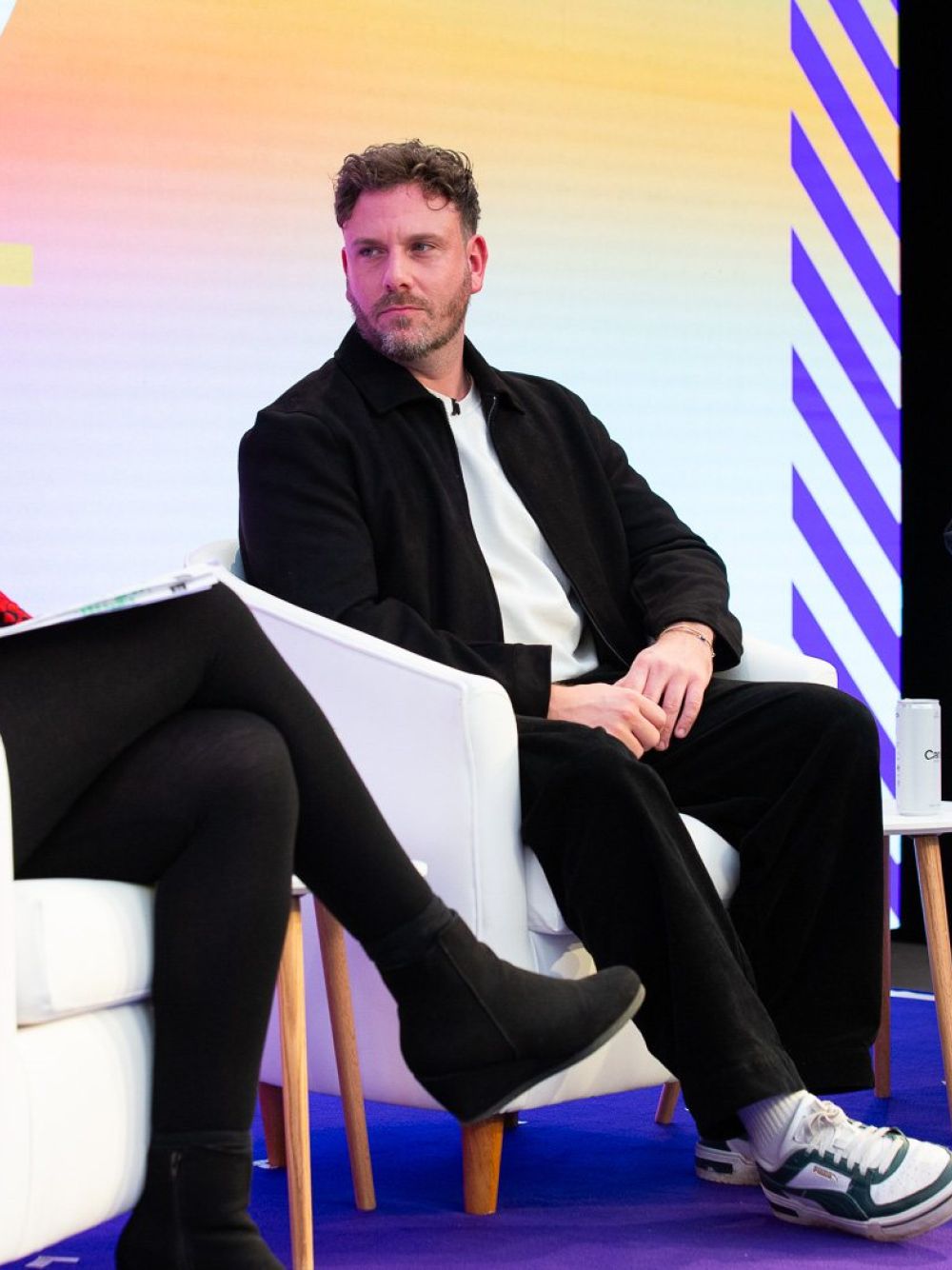
Brands with real fan relationships can use hard moments to deepen loyalty: helping fans show support, documenting it, connecting fans to players, and holding the community together when results disappoint.
The symbiotic model
Michaela describes the ideal as a triangle of brand, rights holder and fans, with each partner playing its part. Remove one corner and the work suffers.
Helps the sponsor understand its fans and devise activations that will land.
Brings creative vision and consumer insight.
Brings resource, values alignment and long-term commitment.
Seven takeaways for marketers
For anyone briefing, commissioning or executing brand activity in sport, or any passion-led cultural space.
-
Start with the audience, not the asset
What do fans take away? What’s the emotional outcome? Deliverables should follow those answers, not lead them.
-
Apply the Three E’s
Elevate, educate or entertain. If an activation does none of these, it isn’t fandom. It’s an ad.
-
Show up in the gaps
Fandom is year-round. The most valuable moments happen between the big fixtures.
-
Build layers of truth
Stories that reward a closer look build the trust that turns sponsorship into cultural credibility.
-
Use technology to enable belonging
The best fan tech creates participation and community, not spectacle.
-
Earn the right before the moment arrives
Brands that invest in fans before a crisis or a loss are the ones that matter when it comes.
-
Push back on the brief
Good agencies and rights holders help brands ask harder questions and find the story worth telling.
Beneath the strategy and the frameworks, fandom is simple. Humanity connects us all, as audiences, as fans and as the brands that want to matter to them.
People want to belong to something.